
The right marble for the right space. A practical guide for your office
Selecting the right marble for office spaces requires a balance between aesthetic identity, technical performance and the specific function of each environment. From executive areas to reception spaces, the choice of natural stone influences how architecture is perceived and how materials interact with light, furniture and daily use.
A carefully selected marble surface enhances the character of an office while responding to practical requirements such as durability, maintenance and visual continuity. The result is a workspace where material choices support both corporate image and long-term performance.
Contextual analysis: selecting marble based on room function
Each office environment has its own requirements. A reception area, executive office or conference room communicates different values and requires a specific relationship between material, use and perception.
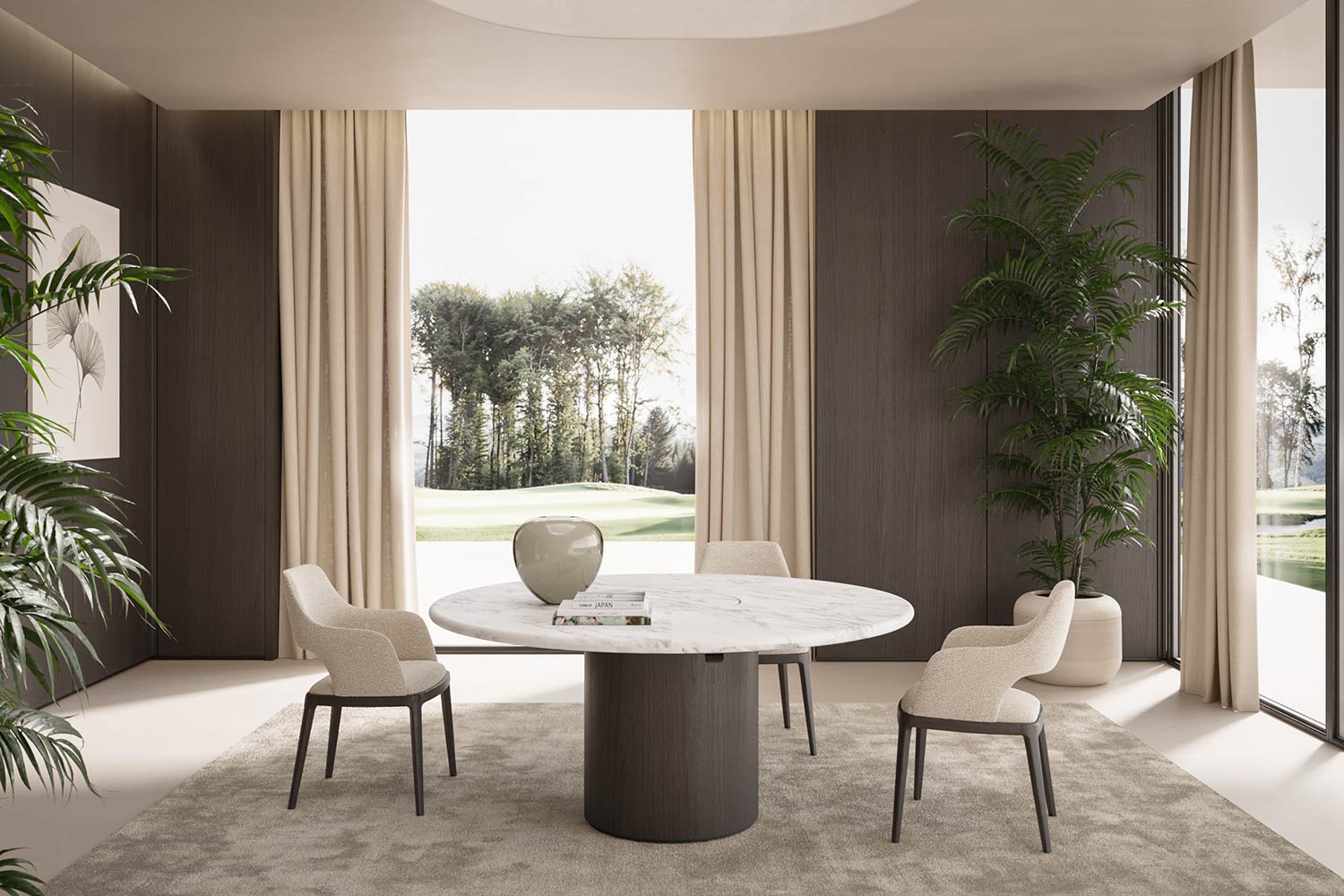
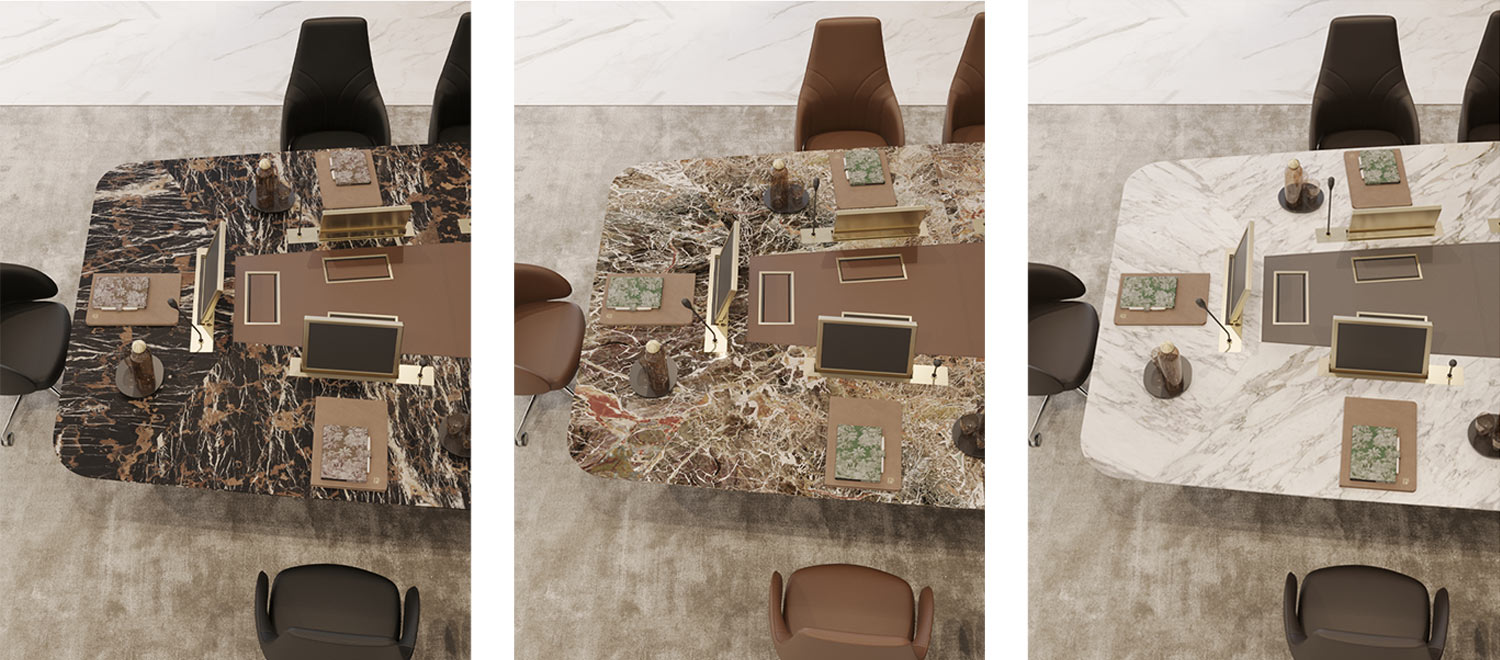
For a marble executive desk, the selection often focuses on the balance between visual impact and functional performance. The natural movement of the stone, the depth of its colour and the relationship with complementary materials such as wood, leather and metal contribute to defining the identity of an executive space.
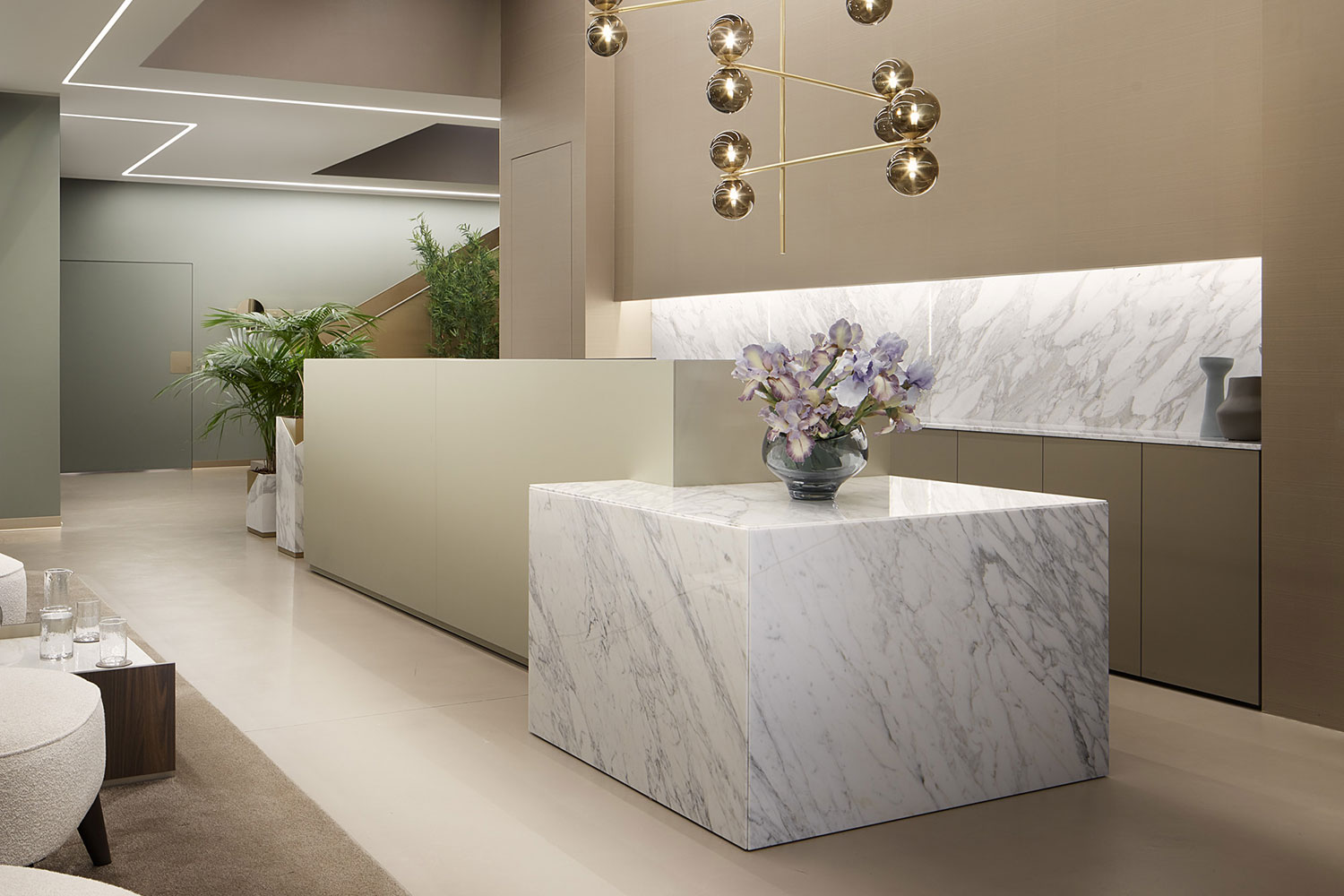
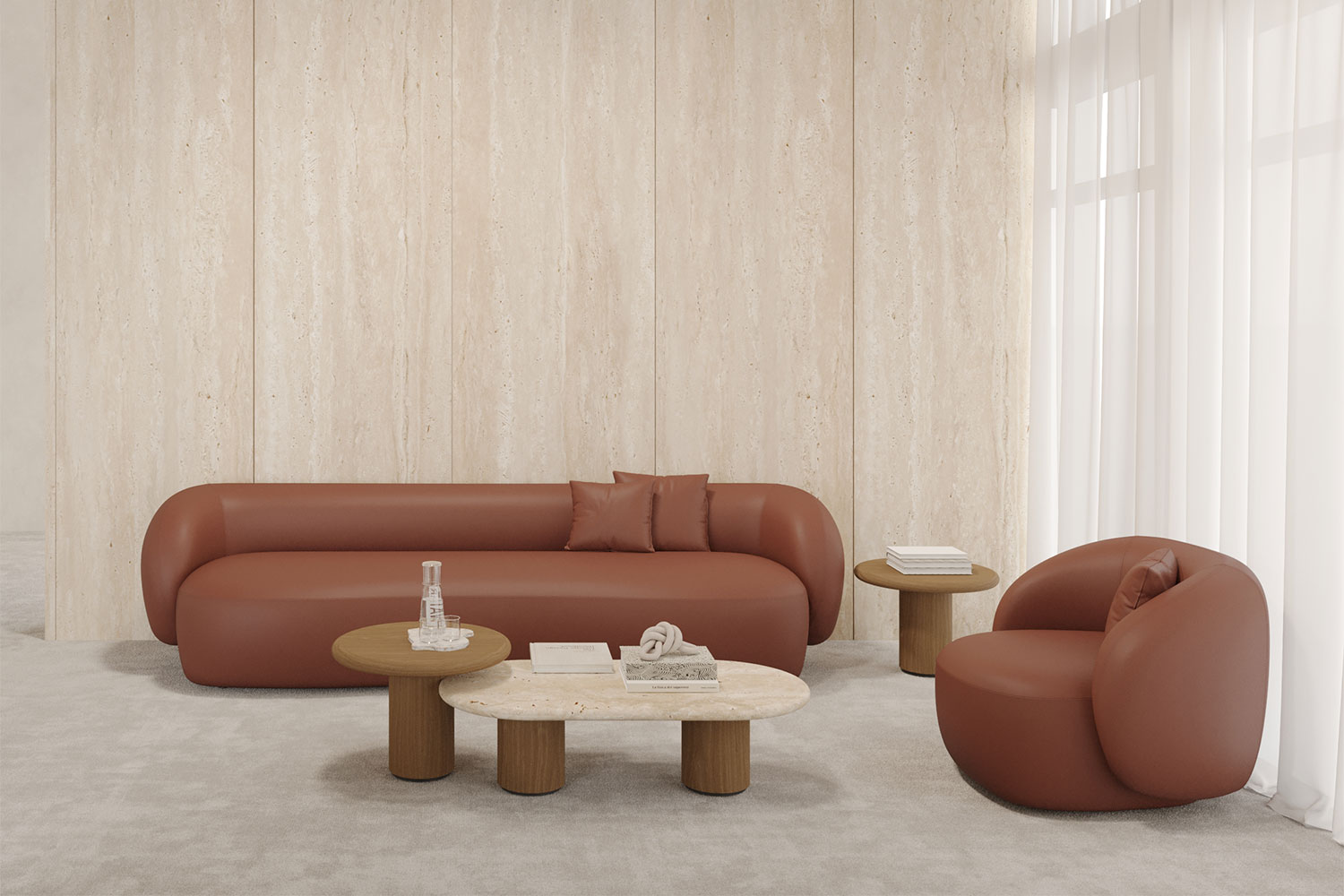
In representative areas, such as corporate lounges or entrance spaces, marble becomes part of the architectural narrative. Choosing the right surface means considering lighting conditions, spatial proportions and the overall material palette to achieve a coherent environment.
A practical approach to marble selection starts from the role the space must perform: welcoming visitors, supporting leadership activities or facilitating collaboration.
High-traffic areas vs. representative spaces: material performance and durability
Office environments experience different levels of interaction with surfaces. High-traffic areas require materials that maintain their appearance over time, while representative spaces allow greater focus on visual expression and material character.
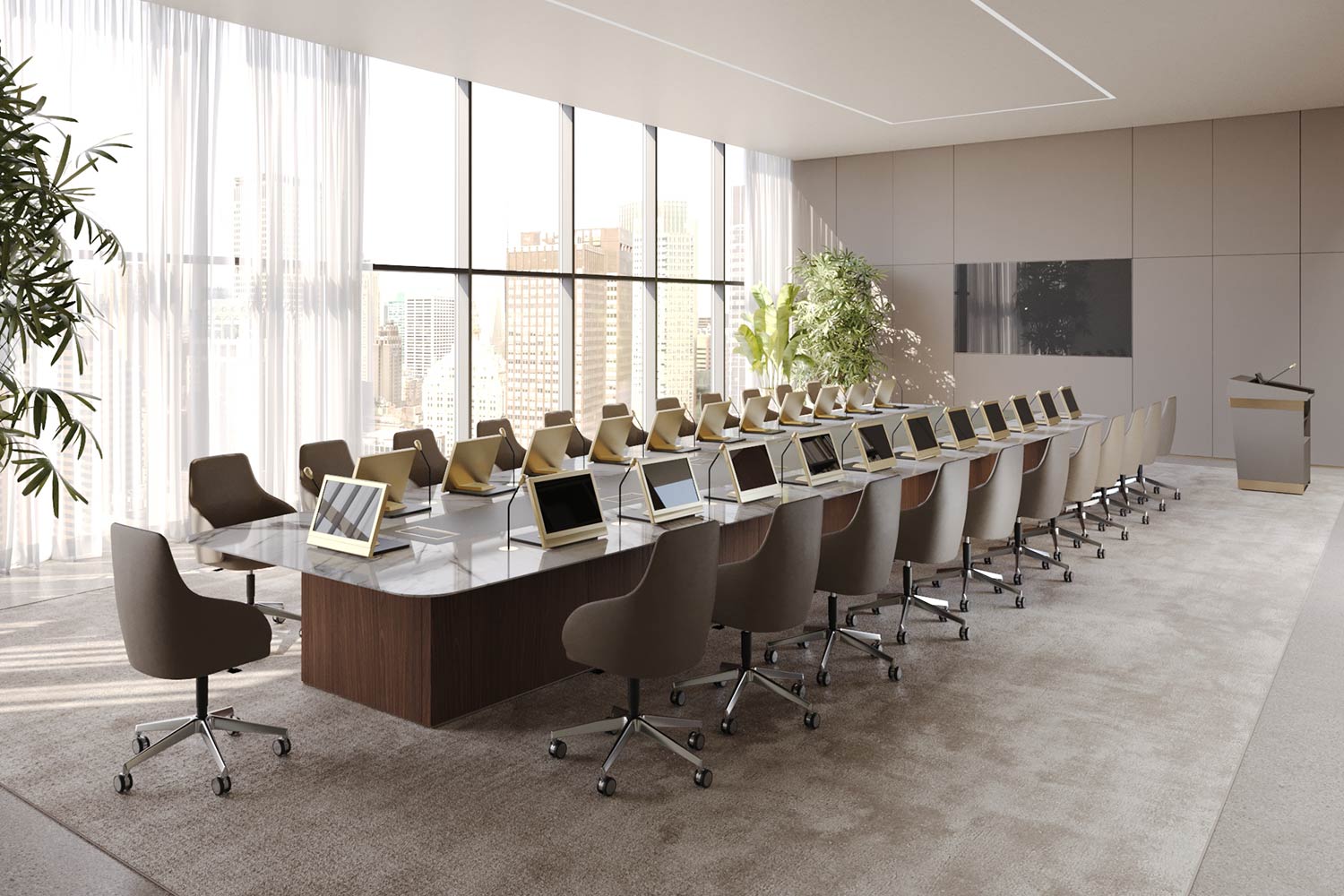
For areas such as reception counters, shared work surfaces and conference environments, durability and ease of maintenance become essential factors. The choice of finish plays a key role: polished marble highlights the depth of the stone and its reflective qualities, while honed finishes create a softer and more tactile appearance.
The most suitable marble for high traffic areas depends on several aspects, including finish, maintenance requirements and the visual complexity of the stone. More structured veining can help integrate everyday marks, while more uniform surfaces create a cleaner and more minimal aesthetic.
A successful project considers both immediate perception and long-term behavior, ensuring that the material continues to express quality throughout its lifecycle.
Architectural impact: guiding color choices to define spatial volumes
Colour is one of the main elements influencing how marble interacts with architecture. Light tones expand the perception of space, enhance natural illumination and create a more open visual atmosphere.
Darker marbles introduce depth and stronger contrasts, helping define focal points and reinforce the identity of specific areas. When combined with refined finishes and complementary materials, they create environments with a clear and recognizable architectural language.
The choice of marble colour should always be connected to the surrounding elements: flooring, walls, furniture finishes and lighting conditions. A balanced palette allows the stone to become part of a wider spatial composition.
Understanding marble as a design tool means evaluating its role beyond the surface itself. The right material selection supports the function of the office, strengthens brand identity and contributes to creating spaces designed to last.
Related products
Related news
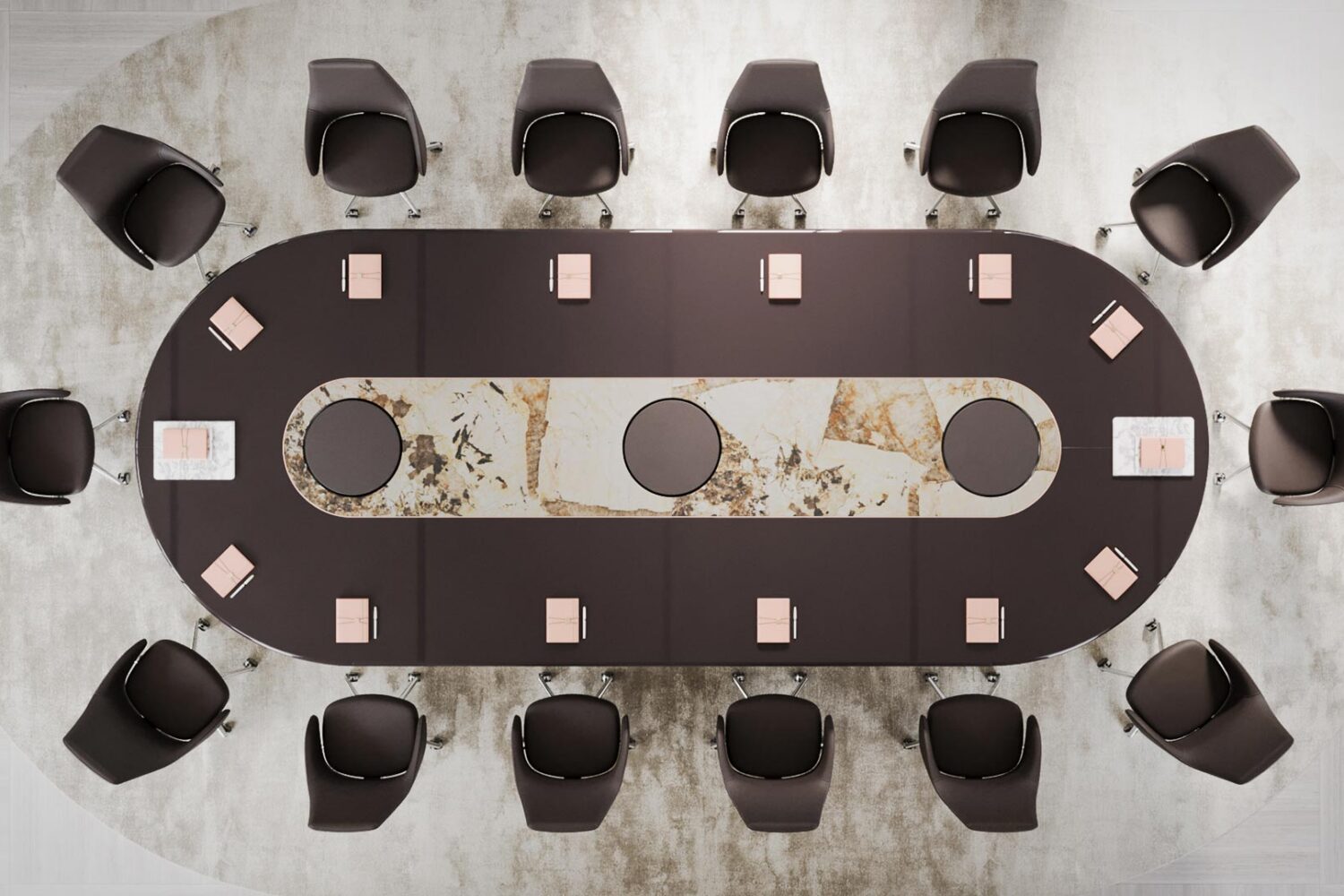
Statement conference table: why your boardroom needs a custom marble conference table
The company’s operational and symbolic hub
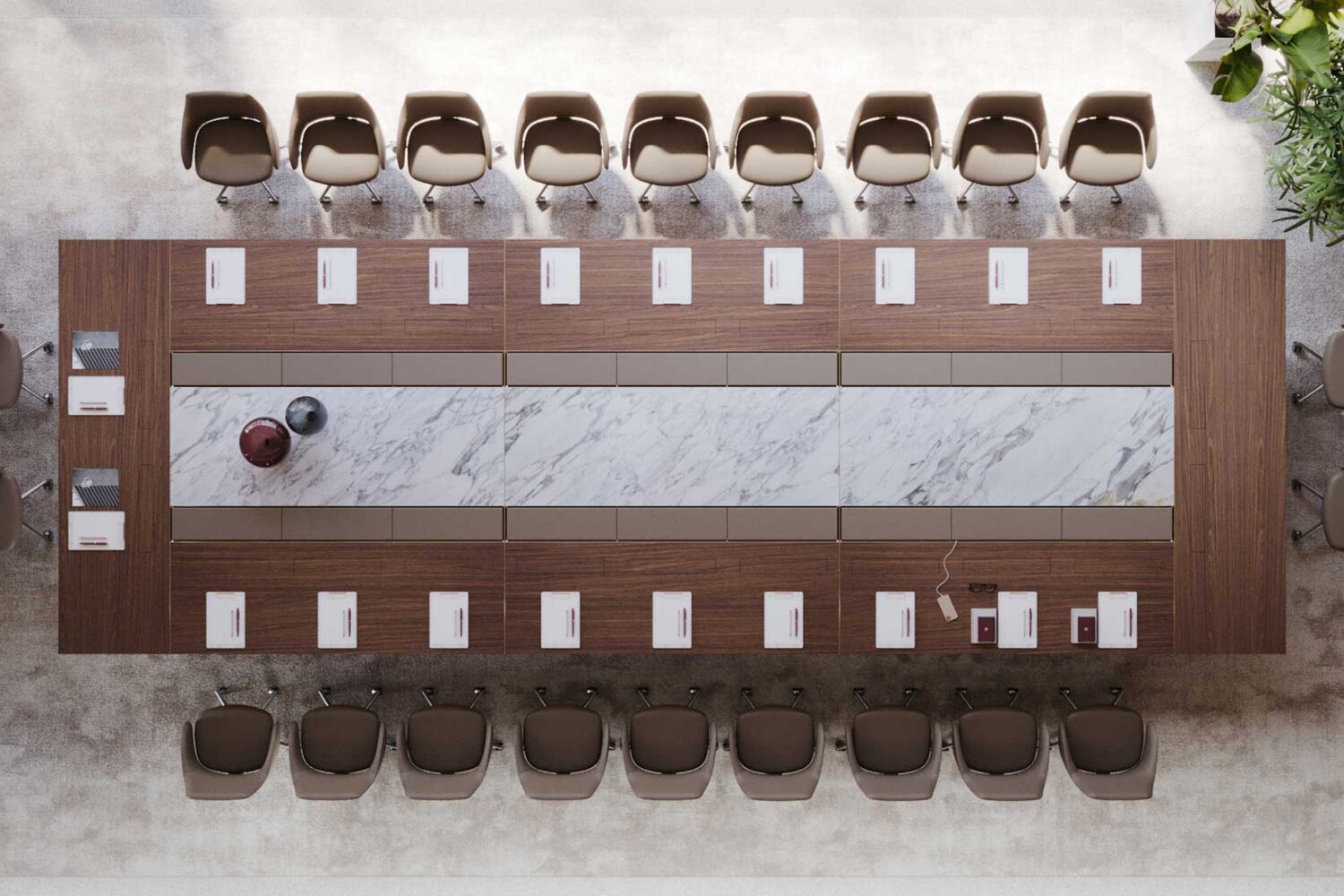
Material combinations: pairing marble, wood, and brass for a luxury finish
Colour consistency is what allows a space to breathe
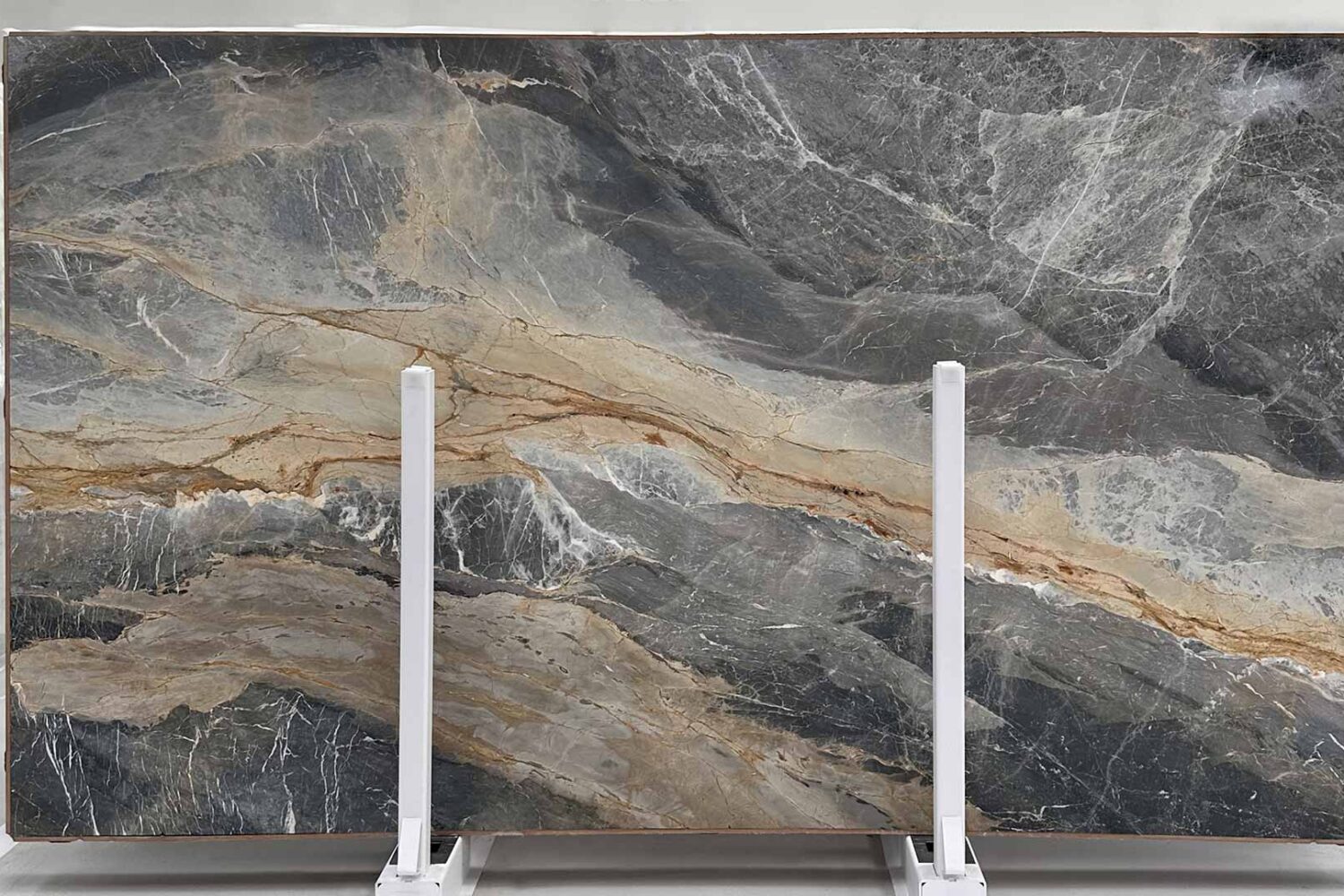
Marble and design: the noble material that transforms spaces
A timeless symbol of elegance and luxury