
Sustainable luxury: why “Made in Italy” means made to last
In contemporary discussions on sustainability, durability is gradually reclaiming its rightful place. For years, the conversation has focused primarily on raw material sourcing, manufacturing processes, and emissions reduction. These factors remain essential, yet they tell only part of the story. The true sustainability of a product is also measured by its ability to endure—preserving its function, construction quality, and aesthetic relevance over time.
Within this framework, Made in Italy continues to represent a distinctive industrial model. One that combines design culture, manufacturing expertise, and rigorous production control to create furniture conceived, to accompany the evolution of spaces, rather than follow accelerated replacement cycles.
Timeless quality: durability as the ultimate form of sustainability
Every piece of furniture designed for professional environments generates an impact that extends far beyond the moment it is produced. The frequency with which a product is replaced, upgraded, or discarded significantly influences its overall environmental footprint.
For this reason, durability has become a strategic value. An executive table that is engineered with robust structures, carefully selected materials, and precision manufacturing can maintain its performance for decades. The same principle applies to storage systems, workstations, and meeting room furniture designed to withstand intensive use without compromising stability, functionality, or visual integrity.
Longevity is never the result of a single technical decision. It emerges from the integration of multiple competencies: from the selection of finishes to the quality of mechanical processing, as well as the possibility of maintenance, upgrades, and component replacement throughout the product’s lifecycle.
In a market often driven by planned obsolescence, permanence becomes a meaningful indicator of value. Furniture that continues to perform its intended function year after year reduces resource consumption, limits waste generation, and contributes to the creation of more sustainable workplaces.
Scrivania elevabile FLOW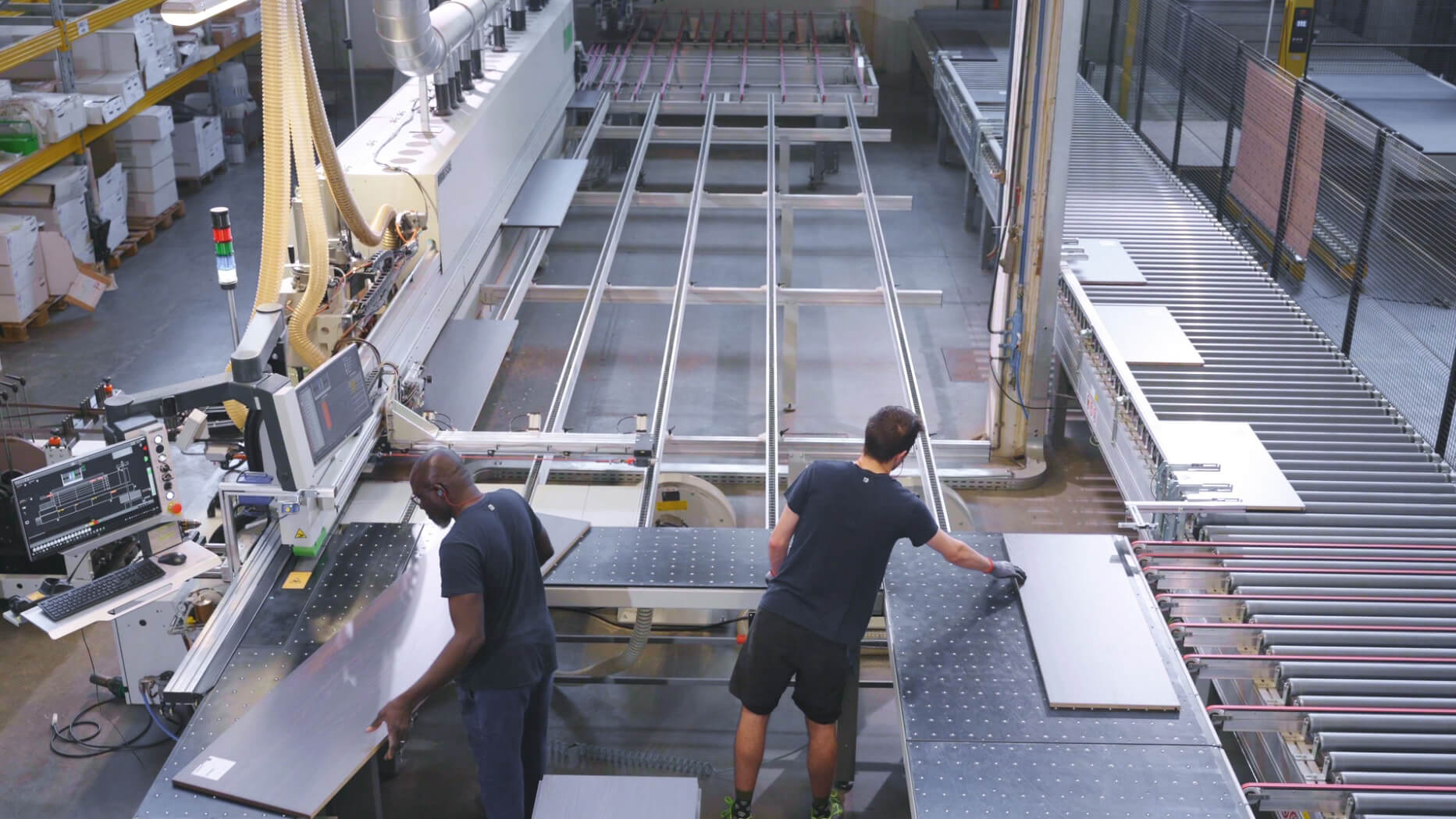
Conscious manufacturing: the ethical value of an Italian industrial heritage
The quality of a finished product is inseparable from the manufacturing culture that shapes it. Within the Italian context, industrial craftsmanship remains one of the sector’s defining strength.
The integration of design, technical development, and production within the same manufacturing environment allows direct oversight of the entire industrial process. Every stage is monitored with precision, supporting high quality standards and greater traceability throughout production.
This model relies on a network of specialized expertise that has developed over generations. Industrial woodworking, metal fabrication, surface technologies, and material research coexist within manufacturing districts, where innovation and tradition continue to reinforce one another.
The ethical value of this approach lies in its capacity to generate long-term value. Investing in quality means reducing waste, preserving professional know-how, and supporting supply chains that prioritize industrial responsibility over indiscriminate production.
From this perspective, sustainability is not an additional feature applied to a product. It becomes the natural outcome of a system that places lasting importance on construction quality, maintainability, and durability.
Investment pieces: furniture designed to evolve with the modern workspace
Contemporary workplaces are subject to constant transformation. New working models and evolving patterns of collaboration require environments capable of adapting without losing their identity.
Responding to this challenge demands a broader vision of furniture design. Products must be achieved not only to address immediate needs, but also to evolve alongside the organizations that use them.
Modularity and construction flexibility therefore become essential. Reconfigurable executive systems, expandable or divisible workstations, adaptable storage solutions, and technologies that can be integrated over time, all contribute to extending product lifecycles while meeting the demands of changing workplace scenarios.
This perspective transforms the relationship between companies and furniture. Acquisition is no longer a response to a temporary requirement; it becomes an investment intended to preserve value over the long term.
The most authentic expression of sustainable luxury emerges precisely from this capacity to endure. Not through excess or short-lived visual impact, but through design quality that continues to generate value year after year.
Viewed through this lens, Made in Italy retains its international relevance because it approaches design as an exercise in responsibility—towards time, towards people, and towards the spaces we inhabit.
Related products
Related news
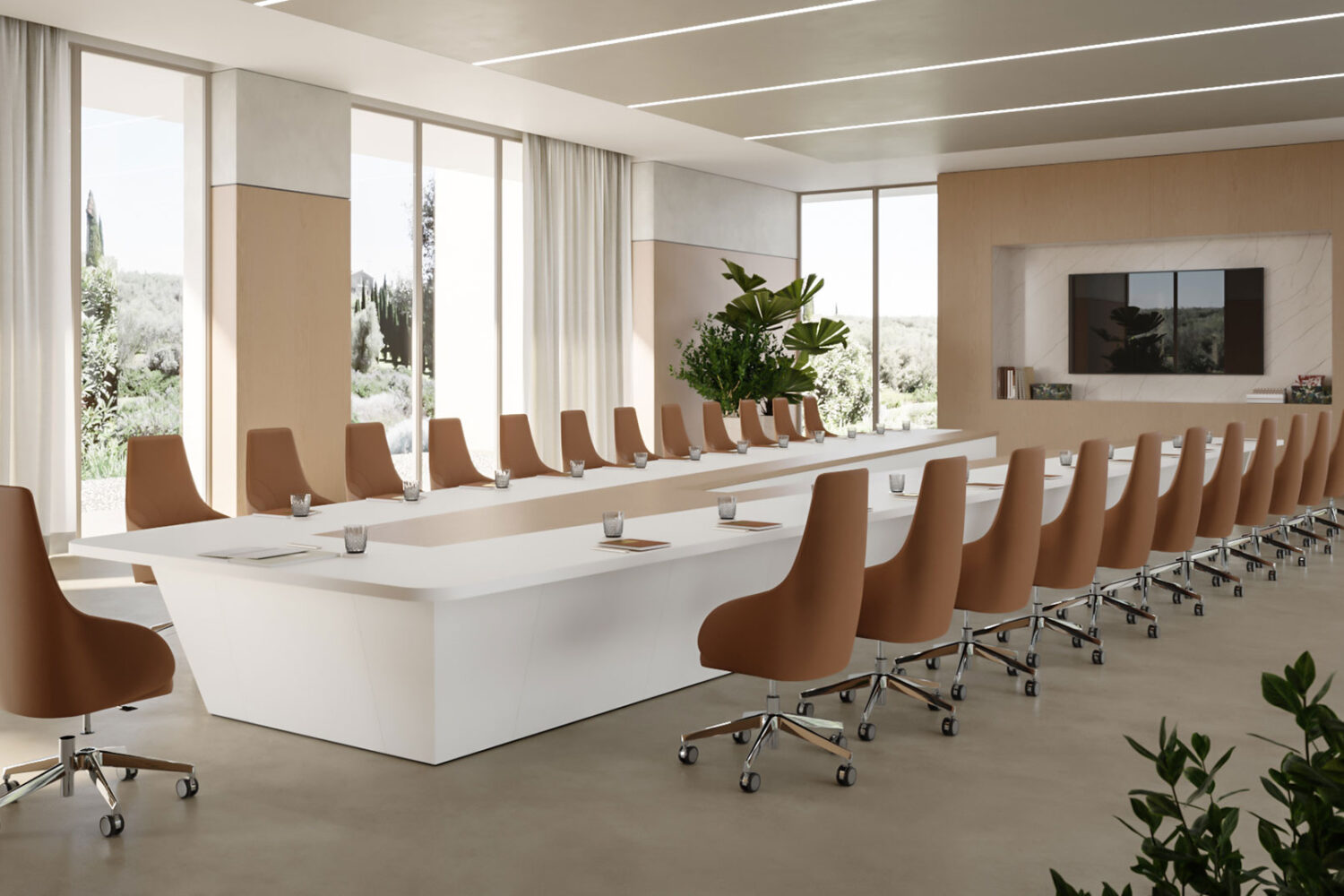
Beyond furniture: the value of bespoke office furniture
In the era of flexible work and increasingly diverse office environments, creating a bespoke office area tailored to the specific needs of...
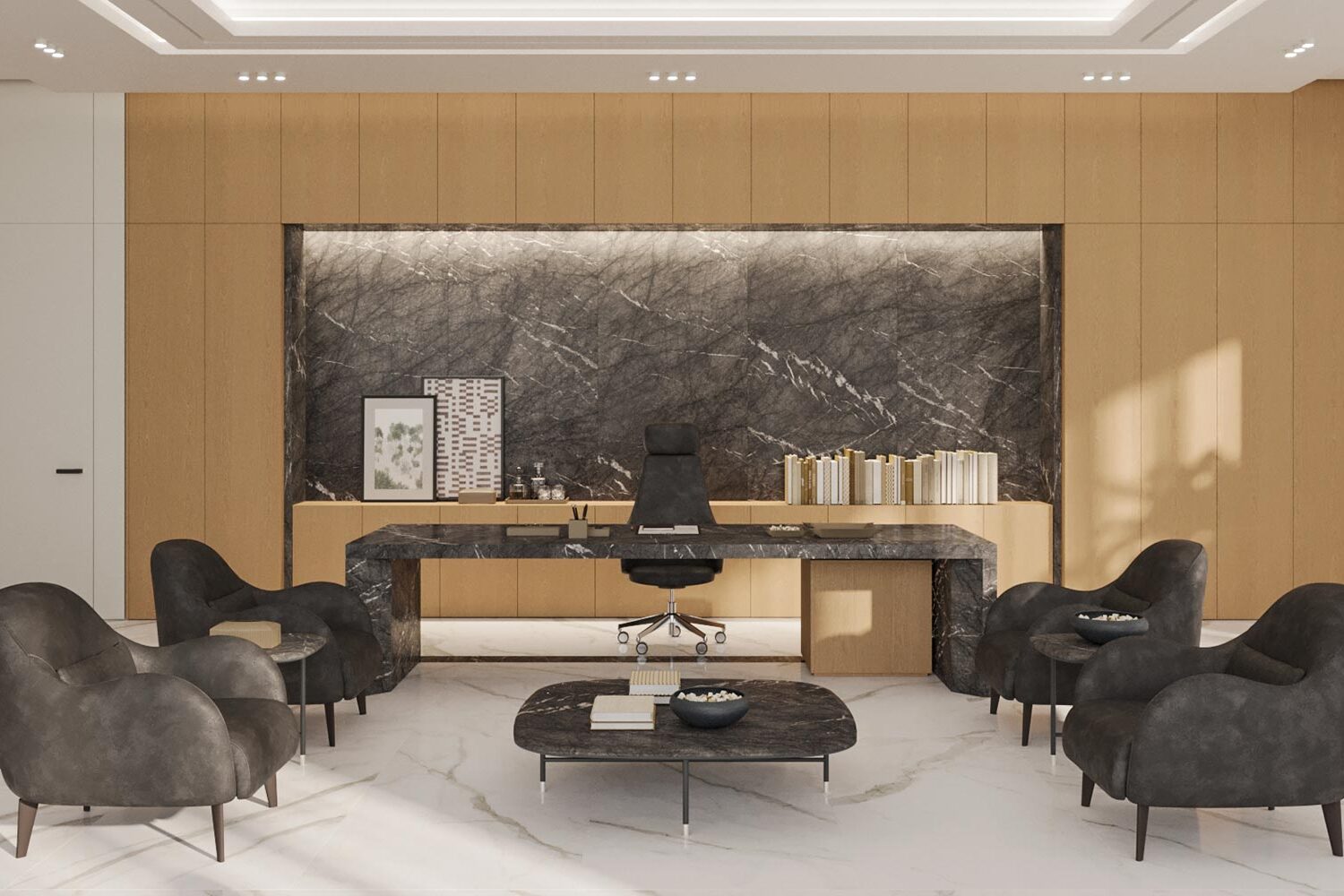
Custom-made office furniture to express your brand identity
Every business is unique, and its spaces should express that clearly
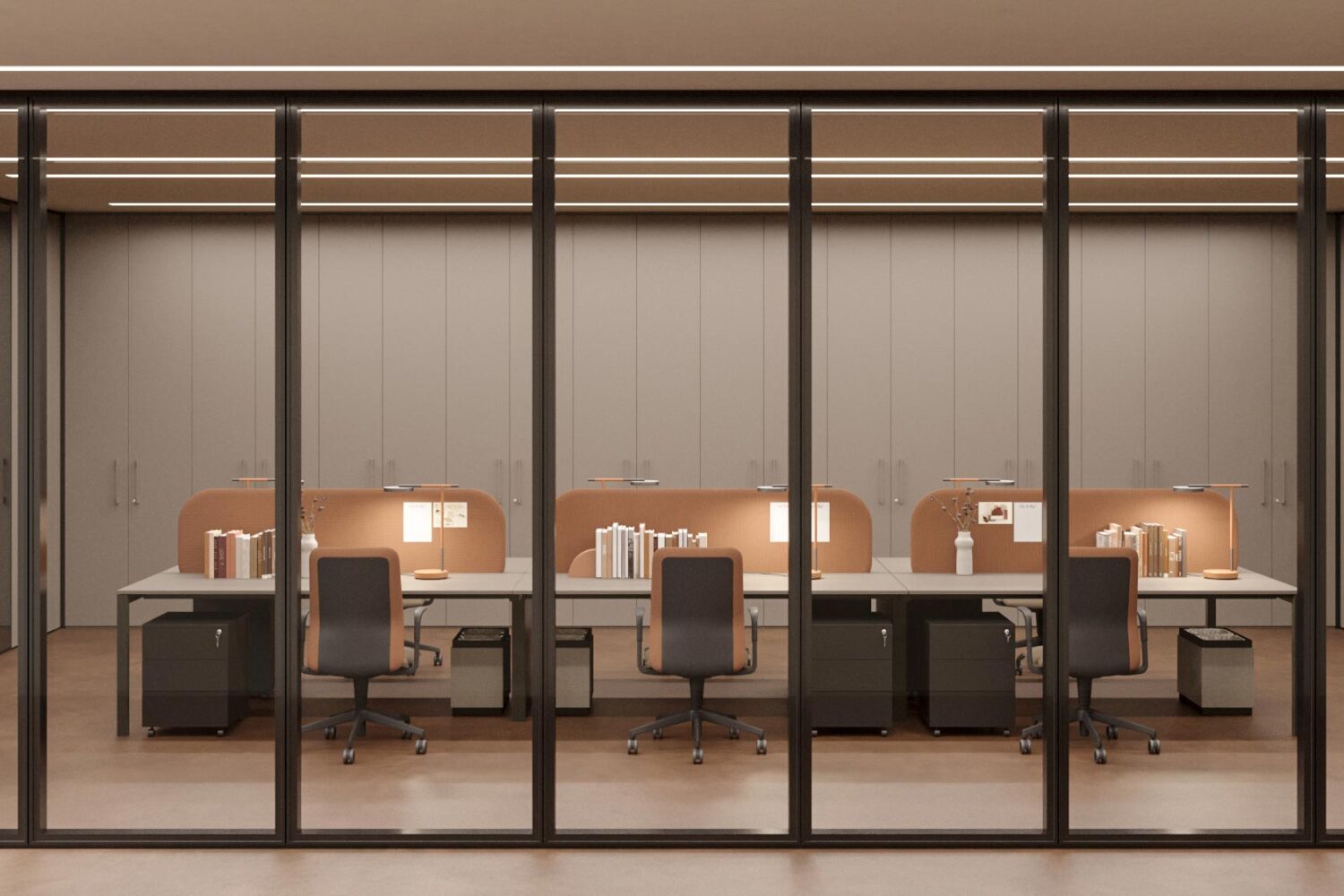
Office partition walls: functionality, design, and solutions for contemporary workspaces
Walls that organise without separating